
Key Takeaways
- 01Snow removal contracts protect both businesses and clients from disputes and legal issues
- 02There are 6 main types of contracts: seasonal, pay-per-push, per-inch, per-event, time-based, and full-service
- 03Residential seasonal contracts commonly run about $300-$700 per season as of 2026, rising with property size and expected snowfall
- 04Commercial contracts require more equipment and resources than residential contracts, and usually favor seasonal pricing
- 05Essential contract elements include property details, scope of services, the snowfall trigger depth, payment terms, and insurance coverage
A snow removal contract is a written agreement that locks in what you'll clear, when you'll show up, and what you'll be paid — signed before the first storm, when everyone is still calm. If you run or are starting a snow plowing business, it's the single document that decides whether a heavy winter makes you money or buries you in disputes.
Winters are the busy season: residential and commercial property owners both need dangerous snow and ice cleared, often on short notice. That urgency is exactly why the terms need to be on paper. This guide covers the six common contract structures, what to include when drafting one, and what contracts typically cost, so you can set the right expectations before the season starts — and advertise your snow removal services with confidence in what you're selling.
Snow Removal Contract: Meaning
A snow removal contract is a formal written agreement that is legally binding between the client and the snow removal business. It lays out the conditions of your business relationship, safeguards your business against potential disagreements, conflicts, or legal action, and forces you to decide up front what to charge for snow removal. In simple words, the snow plowing contract outlines
- the snow removal services,
- payment structures,
- payment terms & conditions, as well as
- any unique arrangements and exclusions that both the client and the business have agreed upon.
Whether you are entering into residential snow removal or commercial snow removal contracts, both safeguard your snow removal company and give you more financial stability while you manage your business. Getting the client's electronic signature on the agreement before the season starts means you're never chasing a signature in the middle of a storm.
What are the Different Types of Snow Removal Contracts?
There are several snow removal contract types available. The payment-for-service conditions are set forth in these kinds of contracts. Each of them has its pros and cons. The most common types of snow removal contracts are described below:
1. Seasonal Contract or Fixed Fee Contracts
Seasonal contracts, also known as "fixed fee" contracts, will charge you a single, fixed price to cover the full snow season. These contracts often last for two to three years, and the fixed cost makes budgeting simple. Clients that reside in regions that frequently experience heavy snowfall or that encounter a significant amount of snowfall during the whole winter season will benefit from the seasonal contract. If winter is very mild one year, it can offset a harsher winter the next year, benefiting both you and your customer.
2. Pay Per Push Contract or Pay Per Visit Contract
Pay per push is a straightforward pay-as-you-go solution that bills for each visit to the site. Pay-per-push is a beneficial solution for businesses in locations that have more frequent or heavy snowfall. In such a situation, a snowplow needs to make many daily visits and earn money for each visit.
3. Per Inch Contract
This arrangement for removing snow is based on snowfall brackets or snow accumulation. For instance, you may have different rates for snowfall of 3 inches or less, 3 inches to 6 inches, and so on. To prevent arguments between you and your client, local weather stations establish the inches. But with this arrangement, budgeting is more difficult.
4. Per Event Contract
A per-event contract is comparable to a per-push contract, with the exception that you can only bill once for each snow event. One snowfall or other winter weather occurrence is referred to as an "event." Contracts that are "per event" in nature often span a single 24-hour period. In locations with average snowfall, this could be a worthwhile one-time charge, but it would not be as economical in areas that frequently see snowfall.
5. Time-Based Contract
If you're a professional, charging for each event and pushing by the hour can be quite lucrative. Given that you will be the one to choose the contract price, managing your budget will be simple. In the case of larger properties, charging by the hour in this kind of snow removal contract may be profitable.
6. Full Service Contract
An equivalent of a Seasonal+ or Premium contract is a Full-Service contract. This type of contract offers grounds maintenance and landscaping services in addition to the complete snow and ice management services of a seasonal contract for year-round coverage.
Why is it Beneficial to Have a Snow Removal Contract?
Expectations are established for your clients by a snow removal contract. The snow plowing contracts include information about the services you provide, how to make payments, and when clients can expect their requests to be fulfilled.
Additionally, contracts to remove snow help to:
- Avoid disagreements or conflicts over the services you delivered
- Reduce the financial risks associated with clients making late or non-payments
- Reduce your responsibility for property damage
Elements to Include While Drafting a Snow Removal Contract
It's crucial that the snow removal contractors visit the site and do a comprehensive walkthrough before any contracts are drawn. It is necessary in order to create a suitable work strategy. This will specify all of the work that the contractor must perform to provide the services, as well as the tools and personnel requirements.

Once you are done with the site visit and have created a strategy, you can now draft a contract. Two of the rows below deserve extra care: put your payment terms in plain language (due date, accepted methods, what happens on late payment), and spell out your cancellation fee policy so a client who backs out mid-season doesn't leave you with an idle truck and driver you already budgeted for. The contract should include the following:
Essential Contract Elements
| Element | Description |
|---|---|
| Complete address of the property | Mention the complete address of the property that you are going to service. |
| Contact details of the client | It must include their name, address, contact number, and email. |
| Contact details of your business | It must include name, address, contact number, and email. |
| Signing date | Mention the date on which the contract is signed. |
| Agreement terms | Indicate when the arrangement will start and expire. |
| Snow event | A 'snow event' can be understood as the amount of snow required to start the removal job at the client's property. |
| Property map | It should include the area that is going to be serviced under the contract, such as the parking lot, entrance of the residential or commercial properties, walkways, and driveways. |
| Scope of services | A thorough explanation of the scope of services that will be offered, such as those relating to removing snow, snow plowing, shoveling snow, and snow blowing. |
| Additional services | Include any additional services that are not part of the package but can be provided for an additional fee. |
| Service prices | Service prices should be highlighted, along with the rate and the schedule of payment. This might be the hourly rate, fixed rate, or seasonal price. |
| Payment terms | Specify the payment terms according to which you will bill your clients. |
| Payment methods | Mention the accepted means of payment. |
| Terms and conditions | Provide a section for terms and conditions and specify any extra information on your service guarantees, insurance coverage, insurance products, payment schedule, and termination policy. |
| Insurance coverage | Choose the right kind of insurance coverage. Workers' compensation, liability, and snow removal equipment insurance are all required. |
| Blackout periods | Determine any blackout periods during which the services cannot be provided and include them in the contract. For instance, specify in the agreement that your business does not provide services on Christmas or New Year's Day. |
| Fines or penalties | The fines or penalties you will impose for late payments should be added, if possible. |
Snow Removal Contract Templates
Here are some sample snow removal contract templates that you may utilize this winter for your clients. (Note: The templates are only for information purposes, consult your legal consultant first before using them for the client.) For the quoting and billing side of the job, you can also grab a free snow removal estimate template and snow removal invoice template to pair with your contract.

Difference Between Commercial Snow Removal Contract and Residential Snow Removal Contract
Snow removal contracts for businesses and homes can provide similar services, but there are significant distinctions in how payments should be set up and the requirement of equipment.
Commercial vs Residential Snow Removal Contracts
| Commercial Snow Plowing Contract | Residential Snow Plowing Contract |
|---|---|
| Apartment complexes, sizable parking lots, restaurants, and grocery shops may be covered under these contracts. | Residential snow plowing contract frequently covers a homeowner's property. |
| Due to the increased vehicle traffic and the large number of individuals entering and exiting these commercial buildings, there is a greater risk associated with these contracts. | These contracts have less strain on both parties, which allows for a little more freedom. |
| There will undoubtedly be an increase in costs due to the need for extra trucks, loaders, and workers (to cover the large property). | Homeowner will decide if you need to see them frequently throughout the day or only a few times each week. |
| To ensure fair trade between you and your customer, a seasonal contract can be the ideal option for commercial contracts. | Residential employment could adapt easily to seasonal, push-based, or even event-based contracts. |
How Much Does a Snow Removal Contract Cost Each Year?
As of 2026, cost guides such as Angi and HomeGuide put a typical residential seasonal snow removal contract at roughly $300 to $700 per season, with small properties in light-snow areas coming in under that and large properties in heavy-snow regions running $1,000 or more. Commercial contracts — parking lots, apartment complexes, retail — are priced well above residential because of the equipment, de-icing material, and response times involved, and are usually quoted per property rather than from a standard rate card.
Where you land inside that range comes down to three things: the square footage you're clearing, the region's typical snowfall, and what's included (shoveling walkways, de-icing, and hauling snow off-site all add cost beyond basic plowing). In a region with only sporadic snowfall, many clients will do better paying per push — and your contract can offer both structures side by side.
If you live in a region with sporadic snowfall, hiring snow plowing specialists on a case-by-case basis might be more cost-effective than committing to an annual contract.
Create Professional Snow Removal Contracts In Minutes
InvoiceOwl allows you to quickly edit its Generic & Independent Contractor Agreements to your specific business needs and send them over to the clients.
Start Your FREE TrialFrequently Asked Questions
Per-visit rates vary widely with driveway size, snow depth, and region, so there's no single national number worth quoting — a small walkway in a light-snow area and a long rural driveway after a 12-inch storm are entirely different jobs. Price it from your own costs (labor time, equipment, travel) plus margin, and see our guide on how much to charge for snow removal for worked rate math.
For the initial 4-6 inches of snow, you should normally charge a flat price, and for each extra inch, add more money. Define the snowfall brackets in the contract and name the weather station whose measurement counts, so there's never an argument about how deep the storm was.
You have the option of charging and quoting on:
- Square foot basis
- Hourly basis
- Per inch basis, or
- Per push basis
You can even use automated estimating and invoicing software, like InvoiceOwl, to make the quoting process easier for you.
Commercial contracts typically cover larger properties like apartment complexes, parking lots, and commercial buildings, requiring more equipment and resources. Residential contracts cover homeowner properties with less complexity and more flexibility in service frequency and payment terms.
You need workers' compensation, general liability insurance, and snow removal equipment insurance. These protect both your business and your clients from potential accidents, property damage, and financial losses.
This depends on the termination policy outlined in your specific contract. Most contracts include terms and conditions that specify the notice period and any penalties for early termination. Always include clear termination policies when drafting your contract.
Conclusion
Snow removal can be a profitable winter line of business — many landscapers use it to keep making money through the winter — but only if the terms are locked in before the first storm. A detailed contract with a clear trigger depth, pricing structure, and payment terms prevents nearly every dispute this industry is known for. Draft it now, get it signed electronically, and use an estimate generator to quote new properties quickly while the season's calendar still has room.
Related Resources

20 Best Landscaping Websites for Inspiration 2025
Are you searching for inspiring ideas for your landscaping business website? Here are some of the best landscaping websites that appeal to customers.
Read more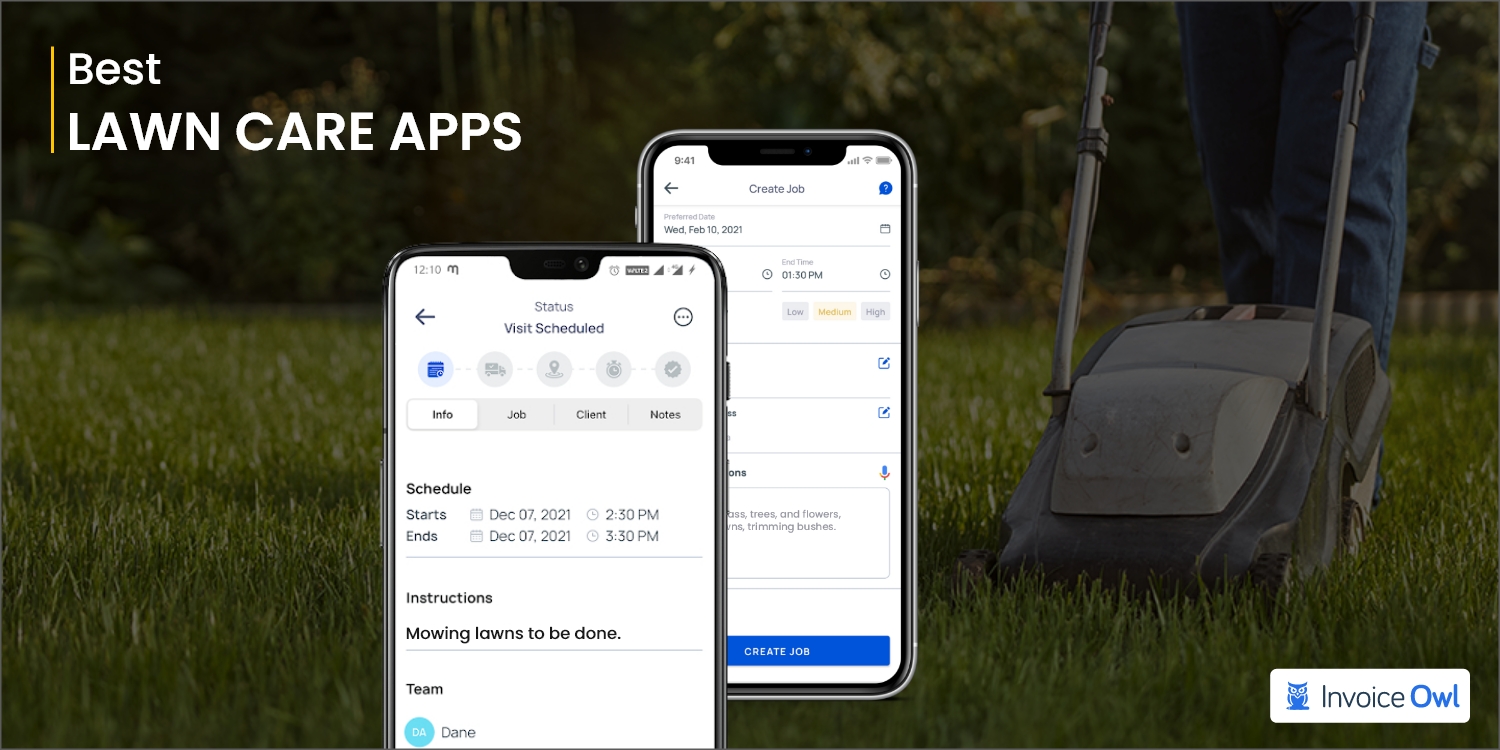
10 Best Lawn Care Apps for Contractors in 2026
Managing a lawn care business can be overwhelming without the right tools. Here are the best lawn care apps for contractors to effectively run their businesses.
Read more
6 Best Lawn Care Websites to Get Inspired
Ready to start your lawn care business? Check out the 6 best lawn care websites to build a strong online presence and stand out from the competition.
Read more
How to Bid For Landscaping Jobs
Learn how to write a receipt with key elements, templates, and digital solutions for proper formatting and best practices in business record-keeping.
Read more
How to Price Landscaping Jobs [7-Step Pricing Plan]
Create a professional estimate by following the 7-step pricing plan for the landscaping jobs. These steps helps you make effective estimates and gets you more clients quickly.
Read moreLandscaping Estimate
Explore how InvoiceOwl helps landscaping contractors win jobs, get paid faster and save time with instant estimates and professional invoices on web and mobile.
Read more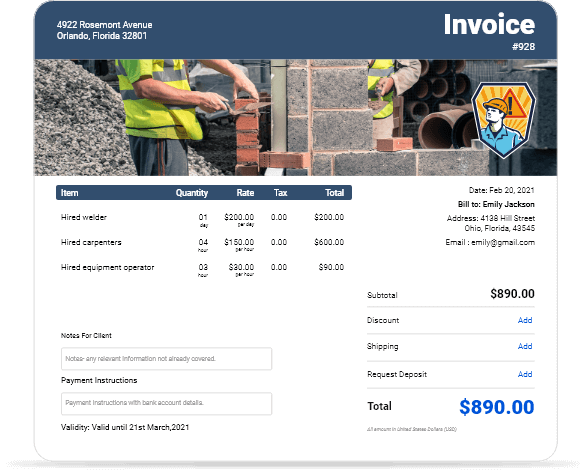
Contract Labor Invoice Template
Contract Labor Invoice Template
Read more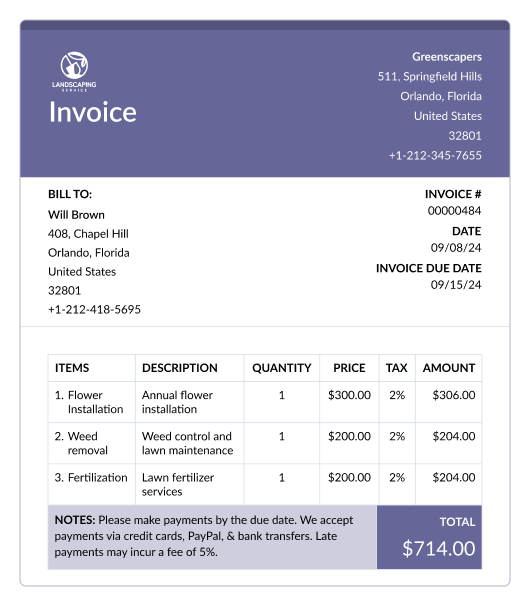
Landscaping Invoice Template
Landscaping Invoice Template
Read more20 Best Landscaping Websites for Inspiration 2025
Are you searching for inspiring ideas for your landscaping business website? Here are some of the best landscaping websites that appeal to customers.
Read more10 Best Lawn Care Apps for Contractors in 2026
Managing a lawn care business can be overwhelming without the right tools. Here are the best lawn care apps for contractors to effectively run their businesses.
Read more6 Best Lawn Care Websites to Get Inspired
Ready to start your lawn care business? Check out the 6 best lawn care websites to build a strong online presence and stand out from the competition.
Read moreHow to Bid For Landscaping Jobs
Learn how to write a receipt with key elements, templates, and digital solutions for proper formatting and best practices in business record-keeping.
Read moreHow to Price Landscaping Jobs [7-Step Pricing Plan]
Create a professional estimate by following the 7-step pricing plan for the landscaping jobs. These steps helps you make effective estimates and gets you more clients quickly.
Read moreLandscaping Estimate
Explore how InvoiceOwl helps landscaping contractors win jobs, get paid faster and save time with instant estimates and professional invoices on web and mobile.
Read moreContract Labor Invoice Template
Contract Labor Invoice Template
Read moreLandscaping Invoice Template
Landscaping Invoice Template
Read more