
Key Takeaways
- 01Most plumbing customers start with a Google search, and searches like "plumber near me" or "water heater repair [city]" are won or lost in the local map pack
- 02A complete, actively managed Google Business Profile (formerly Google My Business) is the single highest-impact free SEO step for a plumber
- 03Steady, recent reviews — and replies to them — move local rankings and convince homeowners to call you instead of the next listing
- 04A separate page for each service (drain cleaning, water heater replacement, leak repair) ranks better than one generic services page
- 05SEO compounds slowly: expect months, not weeks, before rankings and calls move
When a homeowner has a burst pipe or a dead water heater, the first thing most of them do is search Google. Google itself has said that nearly half of searches have local intent — people looking for a business or service near them. If your plumbing business doesn't show up on that first page, the job goes to whoever does.
The good news: most local plumbing companies do SEO badly or not at all, so a few fundamentals done consistently can move you ahead of them. This guide covers SEO for plumbers in plain language — what it is, the four areas it breaks into, and the specific steps that get a plumbing business ranking locally.
What Is SEO for Plumbers?
SEO (search engine optimization) for plumbers is the work of making your website and online listings show up higher in Google when people in your service area search for plumbing help. Unlike paid ads, you don't pay per click — you earn the position by having a complete Google Business Profile, a fast and useful website, genuine reviews, and pages that answer what people are searching for.
You don't need to hire an agency to get the fundamentals right. Most of what moves the needle for a local plumbing company — claiming your profile, earning reviews, building service pages — is work you or someone in your office can do. An SEO professional makes sense once the basics are in place and you want to compete for harder keywords.
Here are the four types of SEO that matter for plumbing businesses.
Types of SEO for Plumbing Companies
The SEO for your plumbing business can be categorized into four different types.
Local SEO
Local SEO is how you show up in the map pack — the three business listings Google shows above the regular results for searches like "emergency plumber [city]." It runs on your Google Business Profile, your reviews, and consistent listings on sites like Yelp, Angi, Thumbtack, and Nextdoor. For a plumbing company, local SEO matters more than every other type combined: it's where "near me" searches are decided, and it works even if your website is thin.
Technical SEO
Technical SEO is the behind-the-scenes health of your website: it loads fast on a phone, every page is reachable, nothing is broken, and search engines can crawl it. For a small plumbing site, this mostly means choosing a decent website platform, compressing oversized photos, and fixing broken links. Run your site through Google's free PageSpeed Insights tool; if it scores poorly on mobile, that's the first thing to fix, since most of your customers are searching from a phone.
On-page SEO
On-page SEO is making each page of your website clearly about one thing people search for. That means a page title and heading that use the words customers type ("Water Heater Replacement in Mesa, AZ" — not "Our Services"), a few paragraphs that actually answer the question, and your city and service area mentioned naturally. You don't need an agency for this; you need one page per service, written the way your customers talk.
Off-page SEO
Off-page SEO is everything that happens away from your website — mainly backlinks (other websites linking to yours) and mentions of your business name, address, and phone number around the web. For a plumber, the realistic wins are local: your supplier's dealer directory, the local chamber of commerce, a sponsorship of a little-league team, a quote in a local news story. A handful of genuine local links beats a pile of low-quality ones.
How to Attract Clients with Plumbing SEO
Earn and Respond to Reviews
Reviews are one of the strongest local ranking signals — and the first thing a homeowner reads before calling. Build a simple habit: after every completed job, ask the customer for a Google review while the good impression is fresh. A text with a direct review link gets far more responses than "leave us a review sometime." If you use software that collects customer reviews automatically after a job closes, even better — consistency beats volume.
Reply to every review, good and bad. A short, personal reply to a positive review shows prospects a real person runs the company; a calm, professional reply to a negative one often matters more than the review itself. Then put your best reviews on your website as testimonials, where they help convert visitors who found you through search.
Recency matters. Twenty reviews from three years ago look like a company that stopped caring. A steady drip — even two or three a month — signals an active, trusted business to both Google and your customers.
Complete Your Google Business Profile and Other Listings
Your Google Business Profile (formerly Google My Business) is the free listing that powers the map pack, and it's the highest-leverage half hour a plumber can spend on marketing. Claim it, then fill in everything: exact services (drain cleaning, repiping, water heater installation), service area, hours (including emergency availability), photos of your trucks and completed work, and the booking or quote link you want customers to use.
Beyond Google, get listed on Yelp, Angi, Thumbtack, and Nextdoor. Some of these charge per lead if you opt into their lead programs, but a basic listing is free and adds visibility. One rule matters everywhere: your business name, address, and phone number must match exactly across every listing.
Create Citations
A citation is any online mention of your business name, address, and phone number — in local directories, review sites, and industry listings. Consistent citations help Google trust that your business is real and located where you say it is, which supports your map-pack ranking.
Services like BrightLocal and Whitespark will audit your existing citations, fix inconsistencies, and submit your business to relevant directories, which beats doing it by hand across dozens of sites. Also look for directories specific to your area — your city's chamber of commerce and local business associations are citations Google weighs as genuinely local.
Grow Your Plumbing Business with SEO
Use the Right Keywords
Keywords are just the words your customers type into Google. For a plumber, the valuable ones follow a pattern: a service plus a place ("drain cleaning Tucson," "tankless water heater installation near me") or an urgent problem ("water heater leaking from bottom"). Use Google's free Keyword Planner, or simply start typing a service into Google and note the autocomplete suggestions — those are real searches.
Work those phrases naturally into your page titles, headings, service pages, and Google Business Profile description. Write for the customer first: a page stuffed with "plumber Tucson best plumber Tucson AZ" reads like spam to both Google and homeowners.
Long-tail keywords — longer, more specific phrases like "how much does it cost to replace a sewer line" — have less traffic but far higher intent, and they're easier for a small plumbing site to rank for than "plumber."
Faster Website
Site speed is a ranking factor, and it matters double for plumbers because most emergency searches happen on a phone. A homeowner with water pouring through the ceiling will not wait eight seconds for your homepage — they'll hit back and call the next result.
Test your site with Google's free PageSpeed Insights. The usual culprits on small-business sites are huge uncompressed photos, cheap hosting, and bloated page-builder themes. Fixing those three gets most plumbing sites to acceptable speed without hiring a developer.
Specific Plumbing Web Pages
Create a separate page for each service you offer — toilet repair, drain cleaning, leak repair, water heater replacement, repiping — instead of one "Services" page that lists everything. A dedicated page can rank for its own searches ("toilet repair [city]"), answer the customer's actual questions, and show relevant photos and reviews.
If you serve multiple towns, a page per major service area works the same way. Just make each page genuinely useful — local project photos, area-specific details, real reviews — rather than the same paragraph with the city name swapped out, which Google is good at ignoring.
Update Your Meta Title and Description
The meta title and meta description are the headline and two-line blurb Google shows for your page in search results. They don't just influence ranking — they decide whether someone clicks your result or the one below it.
Meta title. Keep it under about 60 characters so it doesn't get cut off, lead with the service and city, and make it worth clicking: "Emergency Plumber in Boise — 24/7 Service | [Your Company]" beats "Home | Welcome to Our Website."
Meta description. You get roughly 150–160 characters to make the case: what you do, where, and why you — licensed, upfront pricing, same-day service. Every page on your site should have its own; your website platform (WordPress, Wix, Squarespace) has a field for it on each page.
Tips for Plumbing SEO
Research the Competitors
Search your own money keywords — "plumber [your city]," "water heater replacement [your city]" — and study who's winning. Look at the three map-pack businesses: how many reviews do they have, and how recent? Then look at the top websites: what services get their own pages, and what do their titles promise?
You don't need to out-spend them; you need to spot what they're missing. A competitor with 300 reviews but a slow, outdated site loses to a fast site with strong service pages. One with a great site but no reviews from the last six months loses to your steady review pipeline. Sites like the best plumbing websites are worth studying for design and structure ideas.
If you do hire help, start with a one-time audit rather than a long contract. A good audit tells you exactly what's broken and what to prioritize — and much of the fix list will be work you can do in-house.
Content Matters
Content is how you rank for the searches that happen before someone needs a plumber urgently: "why is my water heater making noise," "how much does repiping cost," "tankless vs. tank water heater." Answer those questions on your site in plain language, with real numbers where you can, and you become the plumber they already trust when the decision comes.
You don't need daily blog posts. A handful of genuinely useful guides tied to your services, kept current, outperforms a pile of thin 300-word posts. Write the way you'd explain it to a customer at their kitchen table.
Attract Backlinks
Backlinks — other websites linking to yours — remain one of Google's core trust signals. Skip the "foolproof link-building hacks"; for a local plumber the real opportunities are local: your supplier or manufacturer dealer directories, the chamber of commerce, local sponsorships, trade associations, and being the plumber a local reporter quotes about frozen-pipe season.
Tracking your marketing alongside your SEO helps too — see our guides on getting more plumbing leads and plumbing ads for the paid side of the funnel, and keep an eye on new trends in plumbing so your content stays current.
Track Your SEO Performance
You should analyze the performance and improve your existing SEO practices and strategies to stand out and increase your organic traffic. Use powerful analytics tools that can assist in tracking your SEO performance.
Google Search Console
Google Search Console (free) shows how Google sees your site: which searches your pages appear for, how often people click, and any indexing problems. Check it monthly. The "Performance" report is the honest scorecard for your SEO work — if impressions and clicks for your service keywords are climbing quarter over quarter, the strategy is working.
Google Analytics
Google Analytics (also free) shows what visitors do after they land: which pages they read, how long they stay, and where they drop off. For a plumbing site, the numbers that matter are simple — are visitors reaching your service pages, and are they calling or requesting a quote?
Together, these two tools tell you what to double down on and what to fix. But ranking is only half the job: once the call comes in, winning the work comes down to how fast and how professionally you respond. Same-day, professional estimates close jobs that slow paper quotes lose, and dedicated software for plumbers keeps your estimates, invoices, and payments in one place — so the leads your SEO wins actually turn into revenue. For the bigger marketing picture beyond search, see our guide to marketing strategies for contractors.
Streamline Your Plumbing Business Today
Automate creating accounting documents and tracking them in real-time for maximum efficiency. Transform your plumbing business finances with InvoiceOwl.
Start Your FREE TrialFrequently Asked Questions
Because plumbing is bought locally and urgently. When a pipe bursts, homeowners search "plumber near me" and call one of the first few results — usually from the map pack. Local SEO (your Google Business Profile, reviews, and consistent listings) is what puts you in that map pack, and unlike ads, the position doesn't disappear the moment you stop paying.
Plan on months, not weeks. Small wins like completing your Google Business Profile can show up within weeks, but competitive terms like "plumber [city]" commonly take six months or more of consistent work — reviews, service pages, citations — before rankings and calls move noticeably. That slow curve is also why it's hard for competitors to displace you once you're established.
You can do the highest-impact work yourself: claim and complete your Google Business Profile, ask every customer for a review, build a page per service, and get your name, address, and phone number consistent across directories. An agency makes sense once those fundamentals are done and you're competing for tough keywords in a big metro — start with a one-time audit before signing a monthly contract.
Local SEO (your Google Business Profile, reviews, and listings — what wins the map pack), technical SEO (a fast, crawlable, mobile-friendly website), on-page SEO (pages targeted at what customers actually search), and off-page SEO (backlinks and mentions from other sites). For most plumbers, local SEO delivers the most calls per hour invested.
Review quantity, quality, and recency feed directly into local rankings, and reviews are the first thing homeowners compare before calling. A steady flow of recent Google reviews — with replies from you — improves your map-pack position and your conversion rate at the same time. Make the ask part of closing every job.
Related Resources
How to Get More Plumbing Leads [10 Proven Ways]
Discover 10 proven ways to get more plumbing leads for your business. Our guide will show you how to increase your client base and boost your revenue. Read now!
Read more
Examples of Plumbing Ads for Attracting Customers
Why are plumbing ads important? Here are the best examples of plumbing ads that attract leads and boost your plumbing business in the coming times.
Read more
Appointment Reminder Templates for Contractors
Here are some appointment reminder templates that you can use for emails and text! It can be used to remind customers of service and get rid of your no-shows!
Read more
22 Best HVAC Blogs to Follow in 2026
To stay ahead of the competition in the HVAC industry and offer customers top-notch services and excellent delivery, these are the best HVAC blogs to follow.
Read more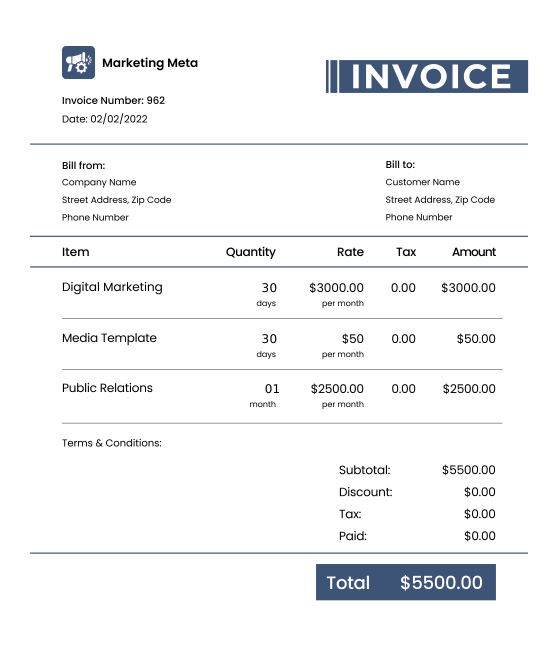
Marketing Invoice Template
Marketing Invoice Template
Read more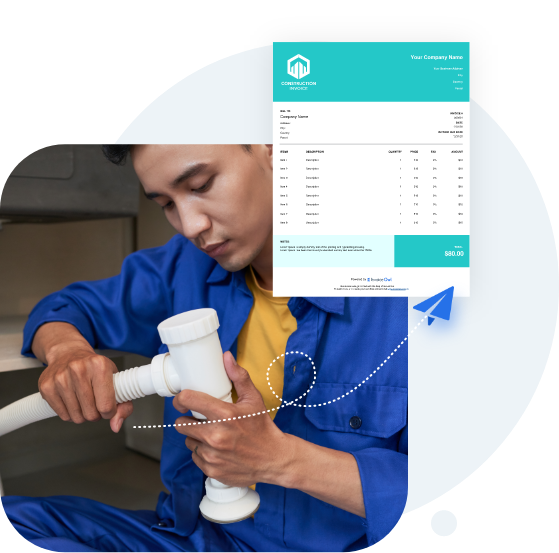
Plumbing Invoice Template FREE Download (Word, Excel, PDF, Google Docs)
Plumbing Invoice Template FREE Download (Word, Excel, PDF, Google Docs)
Read more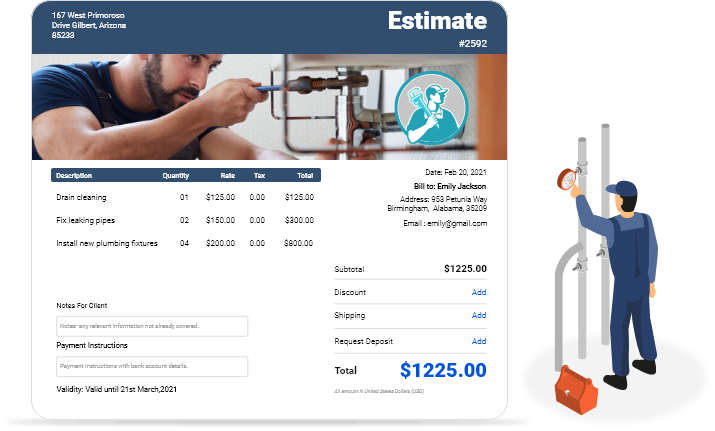
Plumbing Estimate Template
Plumbing Estimate Template
Read more
Alabama Plumbing License: Recent Updates and Guidelines
Are you looking to get Alabama plumbing license as a Journeyman or Master Plumber? Learn more about the requirements, exams, and application for each license.
Read moreHow to Get More Plumbing Leads [10 Proven Ways]
Discover 10 proven ways to get more plumbing leads for your business. Our guide will show you how to increase your client base and boost your revenue. Read now!
Read moreExamples of Plumbing Ads for Attracting Customers
Why are plumbing ads important? Here are the best examples of plumbing ads that attract leads and boost your plumbing business in the coming times.
Read moreAppointment Reminder Templates for Contractors
Here are some appointment reminder templates that you can use for emails and text! It can be used to remind customers of service and get rid of your no-shows!
Read more22 Best HVAC Blogs to Follow in 2026
To stay ahead of the competition in the HVAC industry and offer customers top-notch services and excellent delivery, these are the best HVAC blogs to follow.
Read moreMarketing Invoice Template
Marketing Invoice Template
Read morePlumbing Invoice Template FREE Download (Word, Excel, PDF, Google Docs)
Plumbing Invoice Template FREE Download (Word, Excel, PDF, Google Docs)
Read morePlumbing Estimate Template
Plumbing Estimate Template
Read moreAlabama Plumbing License: Recent Updates and Guidelines
Are you looking to get Alabama plumbing license as a Journeyman or Master Plumber? Learn more about the requirements, exams, and application for each license.
Read more